

Top rated recipes for people trying new cuisines at home are my favorite kind of cooking project. There is nothing more exciting than nailing a dish from a cuisine you have never cooked before and realizing your kitchen just got a lot bigger. These are the highest-rated, most-loved gateway recipes into cuisines from around the world.
How Top Rated Recipes for People Trying New Cuisines at Home Build Confidence
These top rated recipes for people trying new cuisines at home are chosen for maximum reward with minimum specialty equipment. Each one uses ingredients you can find at a regular grocery store, and each teaches one core technique of its cuisine that unlocks dozens of other dishes.
My rules for cooking a new cuisine:
- Start with the cuisine’s most beloved comfort dish
- Buy the one or two key spices, skip the rest for now
- Watch one video of a home cook making it
- Taste and adjust; your palate is the final judge
1. Japanese: Teriyaki Chicken Donburi
Chicken simmered in a glossy sauce of soy sauce, mirin, sugar, and ginger, served over rice. It teaches the Japanese balance of sweet and salty and takes 20 minutes. Top with sesame seeds and scallions.
This was my first Japanese home dish, and the sauce ratio (roughly equal soy and mirin, half sugar) unlocks dozens of other recipes. Donburi means rice bowl, and bowls are Japan’s ultimate comfort format.
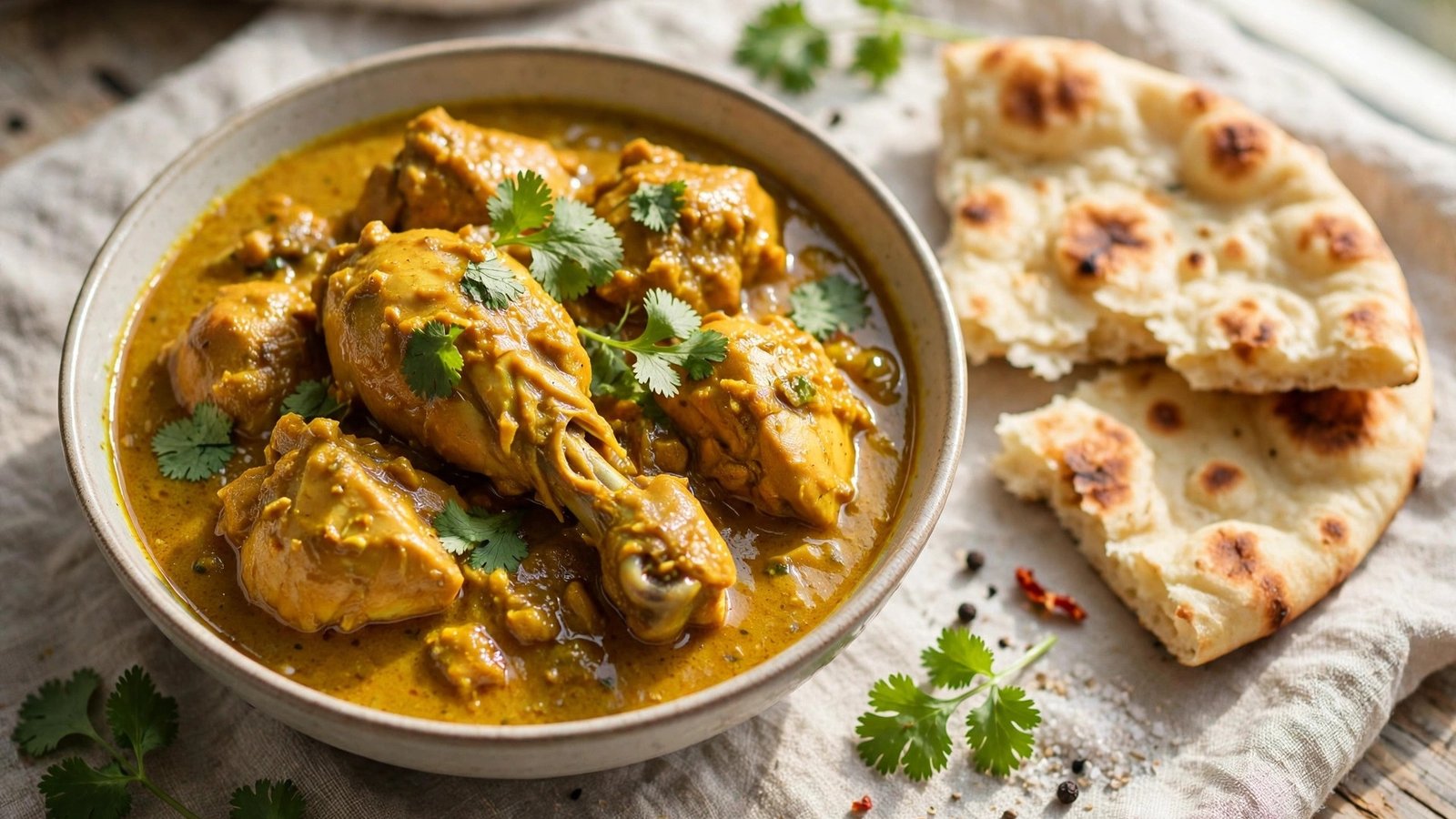
2. Indian: Weeknight Chicken Curry
Onion, ginger, garlic, and garam masala simmered with tomatoes and chicken. It is the gateway to Indian home cooking, and once you own garam masala and turmeric, you are set for months. Serve with rice or store-bought naan.
Indian cooking looks intimidating but follows a rhythm: bloom spices in fat, build the base, simmer. Learning that rhythm once pays off in every curry you will ever make. Start mild and add heat to taste.
3. Mexican: Chicken Tinga Tostadas
Shredded chicken simmered in tomato-chipotle sauce, piled on crispy tostadas with beans, lettuce, crema, and cheese. Tinga is one of Mexico’s most beloved home dishes and it is weeknight easy.
The chipotle in adobo does the heavy lifting: smoke, heat, and depth in one can. Keep adobo in the fridge and tacos, soups, and beans all get better. This is a top rated crowd-pleaser everywhere.
4. Italian: Cacio e Pepe
Three ingredients, one technique, pure magic. Spaghetti tossed with toasted black pepper and Pecorino Romano, emulsified with starchy pasta water into a creamy sauce with no cream at all. Ten minutes, end to end.
Cacio e pepe teaches the Roman secret: pasta water is liquid gold. The starch turns cheese and pepper into silk. It is the dish that makes people feel like real Italian cooks overnight.
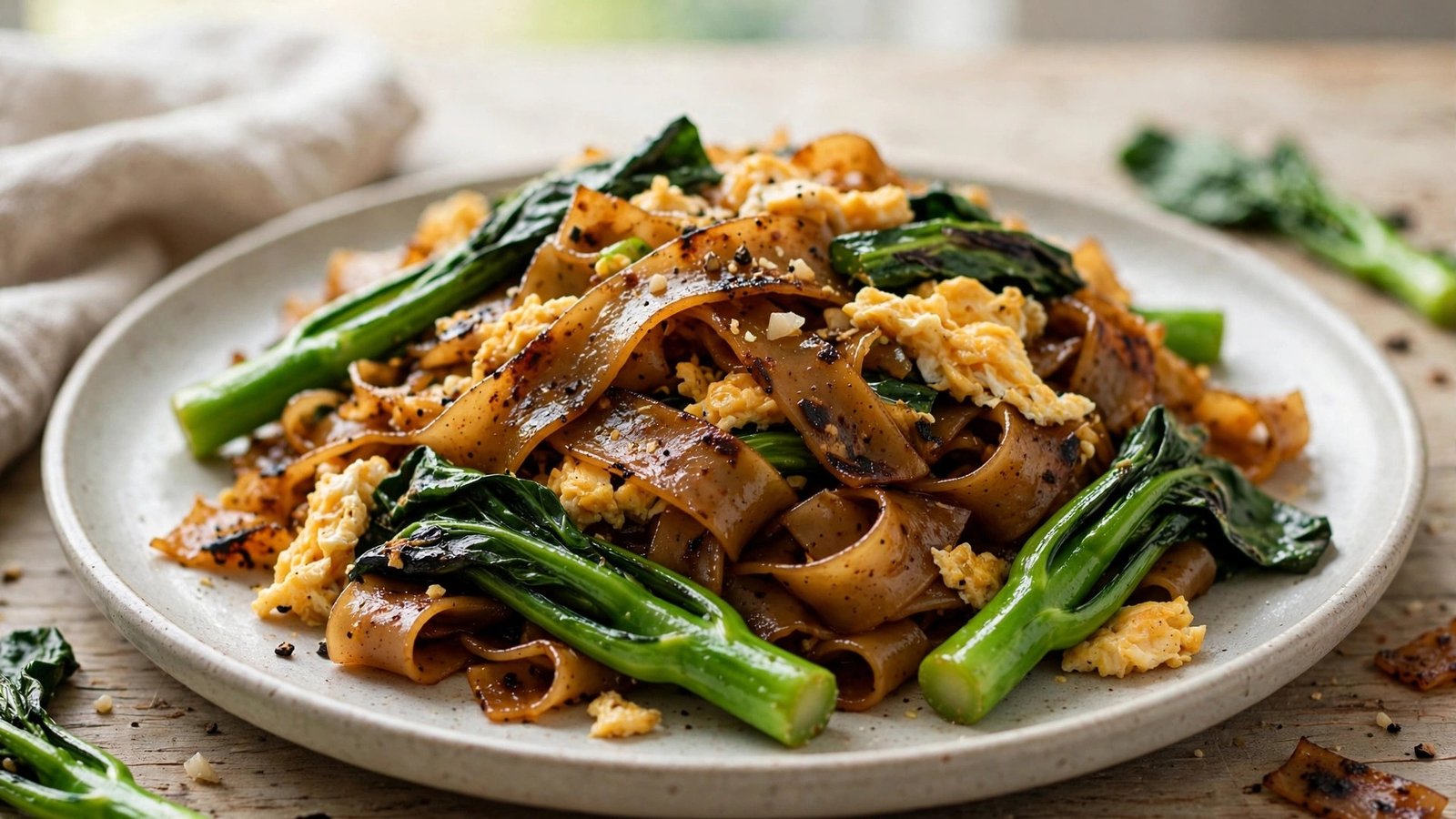
5. Thai: Pad See Ew
Wide rice noodles stir-fried with soy sauce, Chinese broccoli, egg, and your protein of choice. Sweeter and milder than pad thai, it is Thailand’s beloved street noodle and it comes together in 15 minutes.
The trick is a screaming hot wok or skillet and not crowding the pan. The char on the noodles is the whole point. Find wide rice noodles in the Asian aisle and you are ready.
6. Korean: Bibimbap Bowls
Warm rice topped with seasoned vegetables, a fried egg, and gochujang sauce, mixed together at the table. It is Korea’s most famous bowl and endlessly adaptable to whatever vegetables you have.
Gochujang, the fermented chili paste, is the soul of the dish: sweet, spicy, and deeply savory. One tub transforms marinades, stews, and dips for months. The crispy rice at the bottom is the prize.
7. Middle Eastern: Shakshuka
Eggs poached in a spiced tomato and pepper sauce, scooped up with bread. It is Israel and North Africa’s beloved brunch, one pan, 25 minutes, and it looks spectacular with almost no effort.
Cumin and smoked paprika give the sauce its warmth. Shakshuka taught me that eggs deserve better than a rushed scramble. Serve straight from the pan for maximum drama.
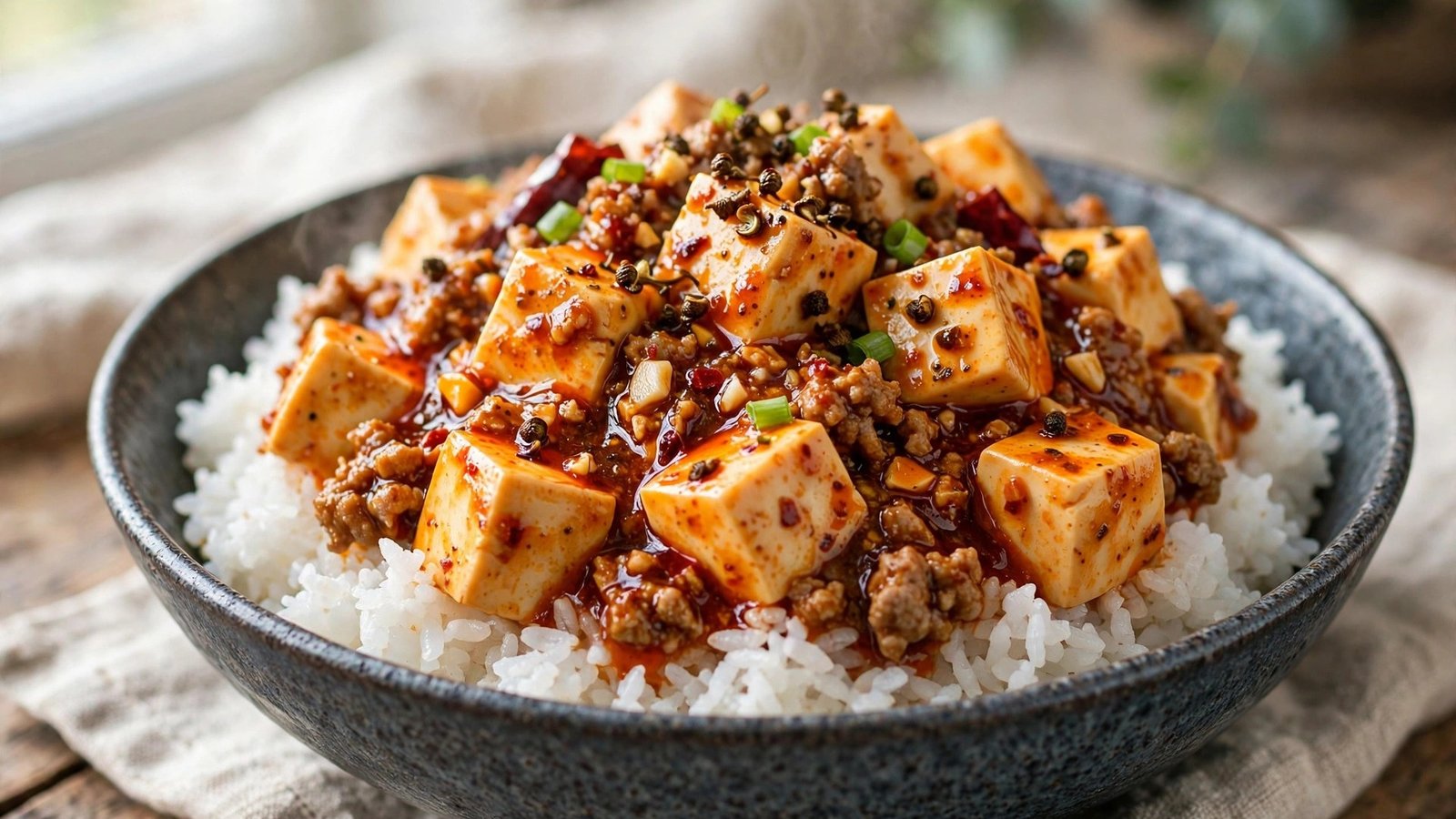
8. Chinese: Mapo Tofu (Mild Version)
Silken tofu in a savory, tingly sauce with ground pork, a Sichuan classic tamed for beginners. Use half the chili bean paste at first; the fermented flavors shine even at low heat.
This dish introduced me to Sichuan peppercorns, whose numbing tingle is unlike anything in Western cooking. Toast and grind them fresh. Served over rice, it is pure comfort.
9. French: Ratatouille
Zucchini, eggplant, peppers, and tomatoes slow-cooked with herbs into Provence’s famous vegetable stew. It is peasant food made special by technique: salt the eggplant, layer the flavors, be patient.
Ratatouille taught me that French cooking is often just vegetables treated with respect. It is better the next day and works hot, cold, or on toast. A top rated vegetarian showpiece.
10. Vietnamese: Fresh Spring Rolls
Rice paper wrappers filled with shrimp, herbs, vermicelli, and lettuce, dipped in peanut sauce. No cooking required beyond the shrimp, and rolling becomes meditative after the third one.
The herbs are non-negotiable: mint, cilantro, and Thai basil make the rolls sing. Dip rice paper in warm water for five seconds, no more. These are light, fresh, and endlessly fun to assemble.
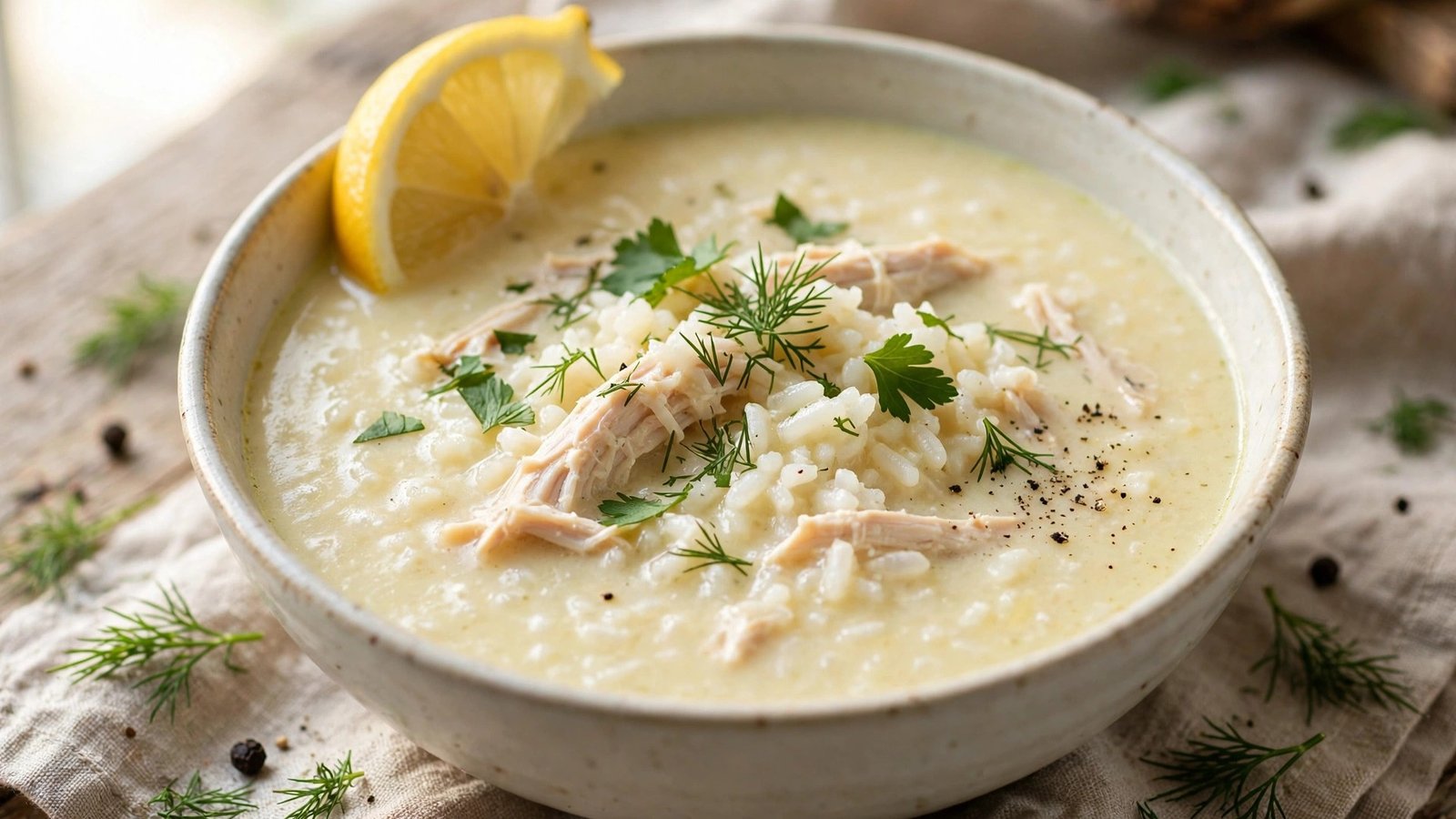
11. Greek: Lemon Chicken Soup (Avgolemono)
Chicken and rice soup thickened with egg and lemon into something silky and bright. It is Greece’s beloved comfort soup, and the egg-lemon technique is a revelation the first time you taste it.
Temper the eggs with hot broth so they thicken instead of scrambling. The lemon lifts everything. This soup has cured more bad days in my house than any other recipe.
12. Ethiopian: Misir Wot (Red Lentil Stew)
Red lentils simmered with berbere spice, onion, and garlic into a deeply flavored stew. Serve with rice or flatbread. It is naturally vegan, cheap, and one of the most aromatic dishes you will ever make.
Berbere is the gateway spice blend: chili, fenugreek, cardamom, and more in one jar. This stew taught me that lentils are a canvas for the world’s best flavors. A top rated plant based win.
13. Spanish: Garlic Shrimp (Gambas al Ajillo)
Shrimp sizzled in olive oil with mountains of garlic and a pinch of chili, finished with parsley. It is Spain’s most famous tapa, ten minutes start to finish, and the garlicky oil demands bread.
Do not skimp on the olive oil; it becomes the sauce. This dish taught me the Spanish art of the tapa: small plates, big flavors, no fuss. Double the recipe because it vanishes.
14. Moroccan: Chickpea Tagine
Chickpeas, sweet potato, and apricots simmered with cumin, cinnamon, and ginger. Sweet meets savory in the Moroccan way, and it all happens in one pot. Serve over couscous.
The dried fruit is the surprise that makes people ask for the recipe. Cinnamon in savory food was my revelation here. This tagine is cozy, fragrant, and weeknight easy.
15. Brazilian: Black Bean Stew (Feijoada Light)
Black beans simmered with sausage, onion, and bay into Brazil’s national dish, simplified for weeknights. Traditionally a weekend project, this version delivers the soul in 45 minutes.
Serve with rice, orange slices, and farofa or just hot sauce if you cannot find it. The oranges cut the richness beautifully. This stew taught me beans deserve main-dish status.
Building Your Global Pantry
You do not need a world market in your kitchen. Start with soy sauce, gochujang, garam masala, chipotles in adobo, fish sauce, and sesame oil. Those six bottles unlock Japanese, Korean, Indian, Mexican, Thai, and Chinese cooking.
Add one new ingredient per cuisine you try. Within a few months you will have a genuinely global pantry, built one delicious experiment at a time. That is how cuisines stop being foreign and start being dinner.
Where to Find Global Ingredients Without a Special Trip
You do not need an international market to start. The Asian aisle of any big supermarket carries soy sauce, rice noodles, gochujang, fish sauce, and sesame oil. The spice aisle covers garam masala, berbere, turmeric, and smoked paprika.
For the few things supermarkets skip, online ordering fills the gaps: Sichuan peppercorns, mirin, Thai basil plants, and Pecorino Romano all ship easily. Buy the smallest size first; a tiny bottle of fish sauce lasts months, and there is no point owning a liter of something you use by the teaspoon.
One more tip: befriend the staff at any local ethnic grocery, even a small one. Tell them what you are cooking and they will point you to the right brand, the right cut, the right noodle. That five-minute conversation has improved my cooking more than any cookbook.
FAQs
Which cuisine is the easiest for a beginner to try first?
Start with Mexican or Italian-inspired dishes. The ingredients are familiar, the techniques are simple, and the flavors are crowd-pleasing. Tacos, stir-fries, and curries are forgiving entry points before you tackle anything complex.
Where do I find ingredients for unfamiliar cuisines?
Check the international aisle of your regular grocery store first; it covers most basics. Local ethnic markets have better prices and fresher specialty items. Online stores fill any gaps. Start with recipes needing only two or three new ingredients.
What starter spices should I buy for exploring world cuisines?
Cumin, coriander, turmeric, smoked paprika, and chili flakes open doors across Mexican, Indian, and Middle Eastern cooking. Soy sauce, sesame oil, and rice vinegar cover Asian basics. Buy small amounts until you know what you love.
How do I make new cuisines kid-friendly or picky-eater approved?
Deconstruct the meal. Serve components separately so everyone builds their own plate, like taco or bowl nights. Keep one familiar element alongside the new flavors. Repeated gentle exposure works better than forcing adventurous bites.
Should I aim for authentic recipes or easy versions first?
Start easy, then go deeper. Simplified versions teach you the flavor profile without specialty equipment or hard-to-find ingredients. Once you love a cuisine, authenticity becomes a fun rabbit hole, not an intimidating wall.
Conclusion
Every cuisine on this list started as someone’s comfort food, and now these top rated recipes for people trying new cuisines at home can be yours too. Pick the one that makes your mouth water, cook it this week, and watch your kitchen get bigger.