
Foolproof recipes for people who always overcook their food are my specialty, because I am one of you. I have turned chicken breasts into shoe leather, reduced pasta to mush, and set off the smoke alarm with toast. Twice. These are the recipes I cooked on repeat until I learned the number one rule of not overcooking: choose food that forgives you.
Why Foolproof Recipes for People Who Always Overcook Their Food Start With Forgiving Ingredients
Some foods punish an extra five minutes; others barely notice. These foolproof recipes for people who always overcook their food are built on chicken thighs instead of breasts, braises instead of sears, and slow cookers instead of screaming hot pans. Pick the right recipe and timing stops being scary.
My reformed overcooker rules:
- Buy a meat thermometer and actually use it
- Choose thighs, shoulders, and chuck over lean cuts
- When in doubt, lower the heat and walk away
- Rest meat after cooking; it finishes gently off the heat
1. Slow Cooker Pulled Pork (Impossible to Ruin)
A pork shoulder in a slow cooker on low for eight to ten hours cannot be overcooked in any meaningful way. It just gets more tender. Rub with brown sugar, paprika, garlic powder, and salt, add a cup of broth, and ignore it all day.
This was the first recipe that taught me low and slow beats hot and fast for people like us. The shoulder has so much connective tissue that time only improves it. Shred it for sandwiches, tacos, or loaded potatoes across the week.
2. Chicken Thighs, the Forgiving Cut
Chicken thighs stay juicy through almost any abuse, which makes them the overcooker’s best friend. Sear skin-side down until crisp, flip, and finish in a 400-degree oven for 20 minutes. Even at 190 degrees internal, they are still delicious.
Switching from breasts to thighs cut my dry-chicken incidents to zero overnight. The extra fat is insurance against your worst instincts. Season simply with salt, pepper, garlic powder, and paprika.

3. Beef Stew That Gets Better With Time
Chuck roast simmered with potatoes, carrots, onion, and broth for two to three hours only improves the longer it goes. There is no window to miss, no moment it turns. Overcook it and it just becomes more tender.
Braising is the official cooking method of people who get distracted. I have left stew simmering an extra hour with zero consequences. Serve over egg noodles or with crusty bread for the full cozy effect.
4. Baked Ziti, Browned Is Beautiful
Pasta baked in sauce with cheese cannot really overcook; the worst case is extra-crispy edges, which are arguably the best part. Boil ziti, mix with marinara, ricotta, and mozzarella, bake 30 minutes at 375 degrees.
Forget it in the oven for ten extra minutes and you get a caramelized top people fight over. This dish rewards inattention instead of punishing it. Make it in the big 9×13 and eat for days.
5. Salmon Is More Forgiving Than You Think
Here is the secret: salmon is fatty, and fat protects against overcooking. Bake fillets at 400 degrees for 12 to 15 minutes, and even at the long end they stay moist. The thermometer should read 135 to 145 degrees.
I overcooked salmon for years before learning that carryover heat does the last few degrees. Pull it at 135 degrees and rest five minutes. The center stays silky and you look like you know what you are doing.

6. Risotto That Waits for You
Risotto has a fussy reputation, but the truth is it tolerates a lot. Add broth gradually, stir when you remember, and if it gets too thick, add more broth. Too thin? Cook a little longer. It is adjustable at every stage.
The only real mistake is walking away for twenty minutes, and even then a splash of broth revives it. Finish with parmesan and butter for creaminess that covers a multitude of timing sins.
7. Chili, the Longer the Better
Chili does not have a done moment; it has a continuum of deliciousness. Brown beef with onion, add beans, tomatoes, and spices, then simmer anywhere from 40 minutes to three hours. Every extra minute adds depth.
This is the recipe I recommend to every nervous beginner. It is genuinely difficult to mess up, and it tastes better the next day no matter what. Leftovers become tacos, nachos, and baked potato topping all week.
8. Roasted Vegetables Love High Heat
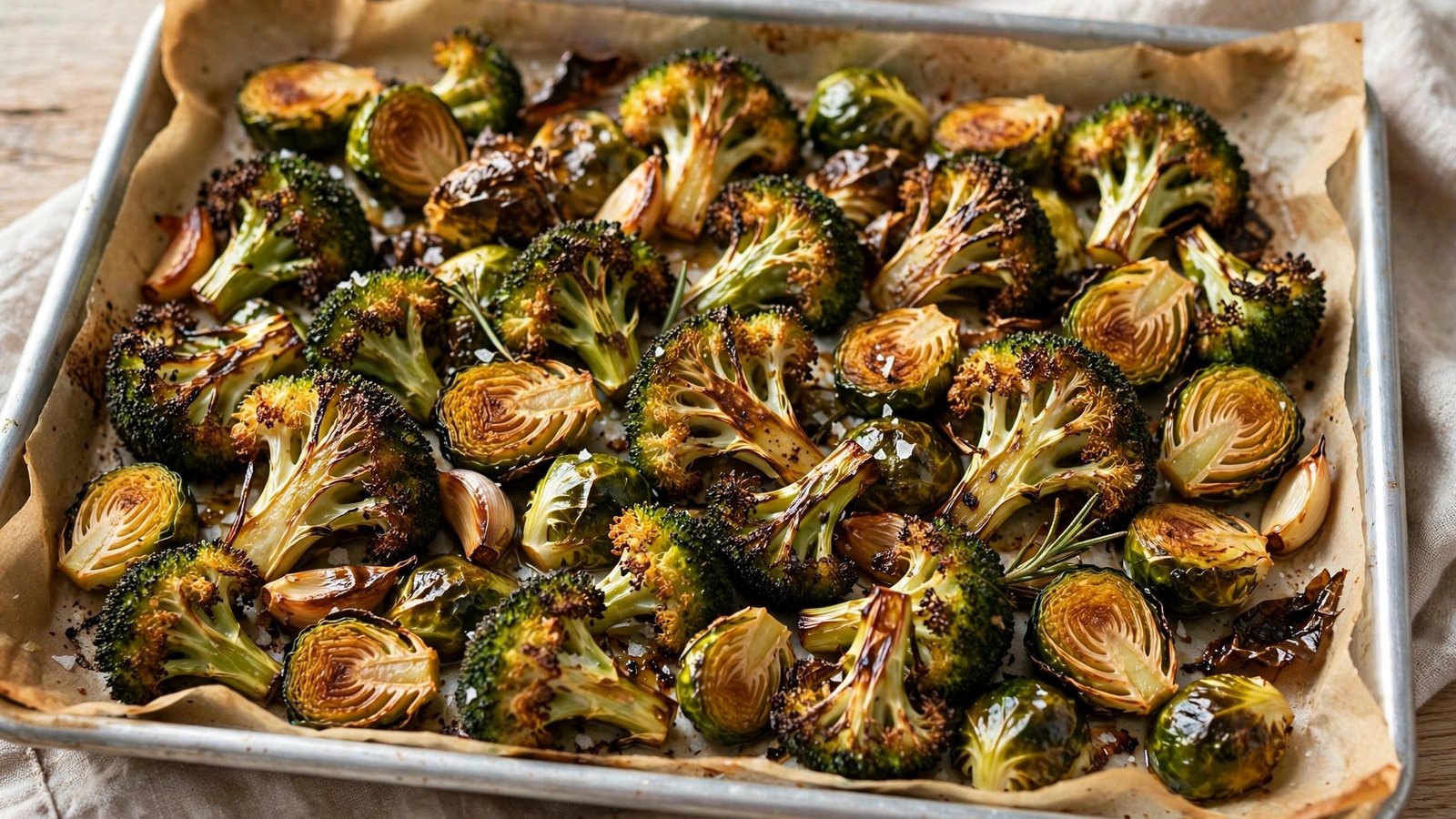
Vegetables are the opposite of fussy: crank the oven to 425 degrees, toss with oil and salt, and roast until deeply browned. An extra ten minutes just means more caramelization, which means more flavor.
Burnt edges on broccoli and Brussels sprouts are a delicacy, not a mistake. I roast a sheet pan of whatever is in the fridge every week. The high heat does all the work while you do anything else.
9. Pasta Sauce That Simmers Forever
A pot of marinara with onion, garlic, and herbs can simmer one hour or four; it only gets richer. Unlike pasta itself, the sauce has no overcook point. Make a giant batch and freeze it in portions.
While the sauce bubbles away unattended, you can boil pasta fresh at the last minute, which is the part that actually needs timing. Keep frozen portions and weeknight pasta takes fifteen minutes.
10. Braised Chicken Legs in White Wine
Chicken legs browned then braised in white wine with garlic, thyme, and olives for 45 minutes to an hour. Like all braises, the timing is a suggestion, not a deadline. The meat falls off the bone whenever you decide it is done.
This tastes like a French bistro dish and requires about ten minutes of actual work. The wine keeps everything moist and builds a sauce you will want bread for. Impressive with zero stress.
11. Oatmeal That Cannot Go Wrong
Oats simmered in milk for five minutes, or microwaved, or soaked overnight: every method works and none has a cliff edge. Too thick? Add milk. Too thin? Cook a minute more. It is endlessly adjustable.
Breakfast should not require precision, and oatmeal agrees. I eat it most mornings with peanut butter and banana. It costs pennies and has never once been ruined in my kitchen.

12. Baked Potatoes Forgive Everything
A potato baked at 400 degrees for an hour is done anywhere between 50 and 75 minutes. There is no moment it turns bad; it just gets fluffier. Poke, oil, salt, bake, ignore.
When I am cooking something fussy for guests, I always add baked potatoes to the menu, because at least one thing will be perfect no matter what. Load with butter, cheese, and sour cream.
13. Soup Is a Safety Net
Nearly every soup improves with extra simmering time. Lentil soup, chicken noodle, minestrone: put the pot on low and relax. Vegetables soften, flavors marry, and nothing burns if the heat is gentle and there is enough liquid.
Soup is where I send every overcooker to practice, because it builds confidence fast. Keep the heat low and the pot covered, and time becomes your friend instead of your enemy.
14. Chocolate Chip Cookies, Chewy Insurance
Pull cookies when the edges are set but the centers look slightly underdone; they finish on the hot pan. Even if you overshoot, slightly crisp cookies are still excellent dunked in milk. There is no bad outcome here.
Baking feels scarier than cooking, but drop cookies are the most forgiving entry point. The carryover trick works for all baking: things keep cooking off the heat, so pull early with confidence.
When You Do Overcook It: Rescue Moves
Even with forgiving recipes, mistakes happen. Dry chicken gets a second life shredded into soup or simmered in sauce. Overcooked pasta goes into a baked casserole where nobody can tell. Tough vegetables blend into a perfectly good soup.
Sauce fixes almost everything: a dry protein drowned in gravy, curry sauce, or marinara eats just fine. And remember the golden rule of serving guests: slice meat thin against the grain and it will taste tender no matter what happened in the oven.
The Thermometer Changes Everything
If you buy one tool from this article, make it an instant-read thermometer. Chicken is done at 165 degrees, pork at 145, salmon at 135 to 145, beef anywhere from 130 up depending on taste. Numbers do not lie and they do not require experience.
I resisted the thermometer for years out of pride, which was ridiculous. The day I started using one, my overcooking streak ended permanently. It is fifteen dollars of pure insurance.
FAQs
Will a meat thermometer really stop me from overcooking?
Yes, it is the single best purchase an overcooker can make. Guessing doneness by time or color is unreliable; temperature does not lie. Pull meat a few degrees early since it keeps cooking while resting. Ten dollars ends years of dry chicken.
Why does resting meat matter so much?
Resting lets juices redistribute instead of flooding the cutting board. Five to ten minutes for steaks and chicken, longer for roasts. Tent loosely with foil. Skip the rest and even perfectly cooked meat eats dry.
Which cooking methods are most forgiving for beginners?
Braising, slow cooking, and stewing. They use low heat and moisture, so timing barely matters. A stew that simmers an extra hour only gets better. Save high-heat searing for after you have built confidence with gentle methods.
Can overcooked food ever be saved?
Sometimes. Shred dry meat into tacos, soups, or fried rice where sauce adds moisture back. Overcooked vegetables blend into soups beautifully. Mushy pasta becomes a baked pasta dish. Repurposing beats the trash can nearly every time.
How do timers actually help if I keep ignoring them?
Set two timers: one as a warning five minutes before, one for the real moment. Keep your phone in your pocket, not across the room. Better yet, stay in the kitchen. Most overcooking happens because we wander off, not because we misjudge.
Conclusion
Overcooking is not a character flaw; it is just a mismatch between cook and recipe. These foolproof recipes for people who always overcook their food flip the equation so timing works for you. Cook forgiving food, use the thermometer, and enjoy dinner.