

Beginner friendly recipes for people afraid of using spices are how I finally stopped cooking bland food. For years my spice rack was decoration. I owned cumin but had never opened it, because what if I ruined dinner? Then a friend showed me that spices are not a test you can fail. These are the gentle recipes that built my confidence one pinch at a time.
Why Beginner Friendly Recipes for People Afraid of Using Spices Start With Just One
Nobody learns spices by dumping six jars into a pot and hoping. The secret is adding one spice to food you already know how to make, then tasting what changes. These beginner friendly recipes for people afraid of using spices each spotlight a single spice or a tiny, forgiving blend, so you always know exactly what you are tasting.
My ground rules when I started:
- One new spice per recipe, never more
- Start with half the amount, taste, then add more
- Toast whole spices gently; they turn bitter if they burn
- Write down what you liked so you can repeat it
1. Cinnamon Oatmeal That Tastes Like a Hug
Cinnamon is the training wheels of the spice world: sweet, familiar, almost impossible to mess up. Stir half a teaspoon into your morning oats along with brown sugar and diced apple, and the whole bowl tastes like pie filling. If you add too much, a splash of milk fixes it instantly.
This was my very first spice experiment, and it worked so well I felt a little silly for waiting years. Saigon cinnamon is bolder than the regular kind if you want to level up later. Either way, breakfast just got a whole lot cozier.
2. Garlic Butter Pasta With a Whisper of Red Pepper Flakes
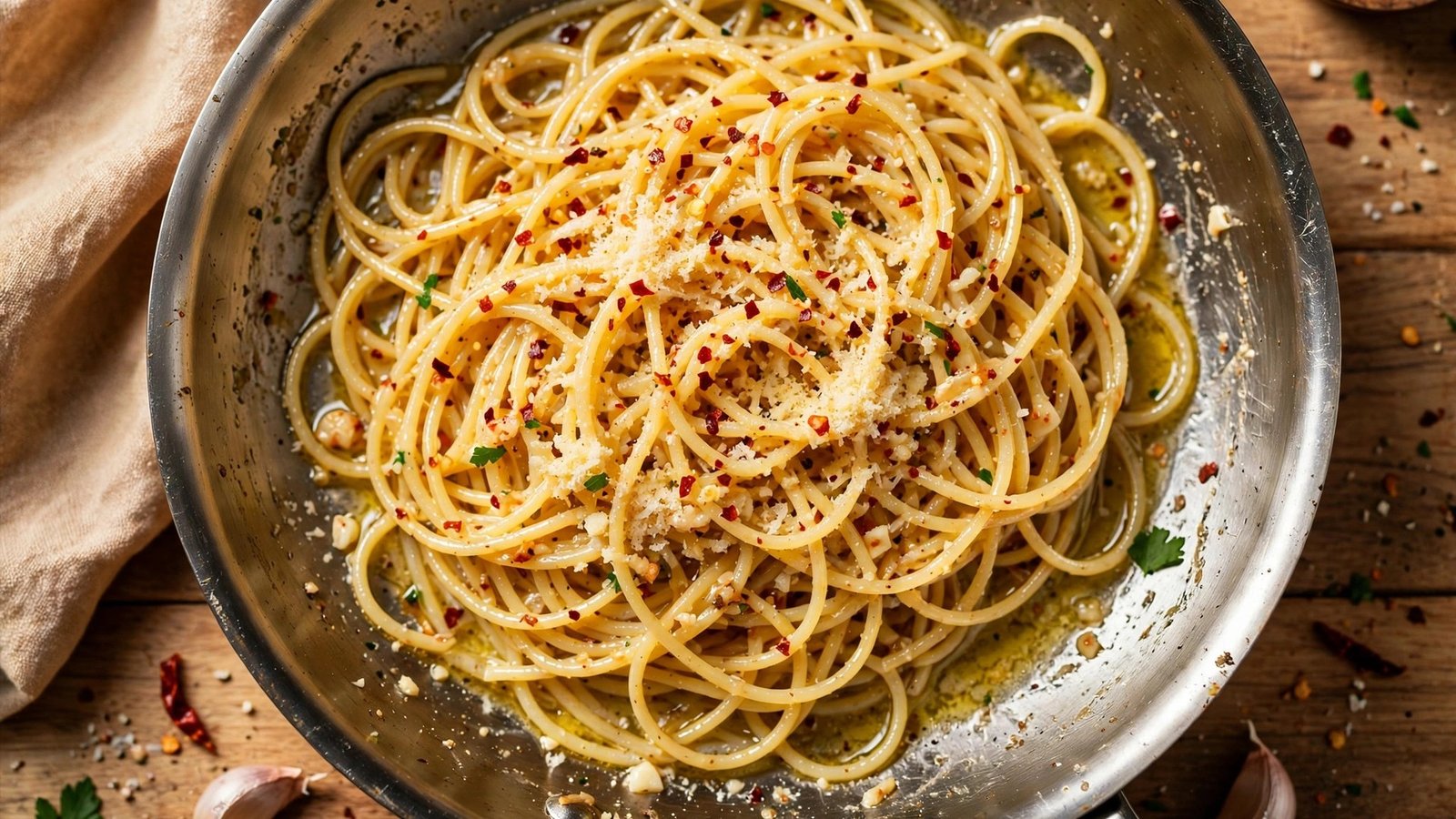
Red pepper flakes look scary but behave politely in small doses. Boil spaghetti, then warm butter with two sliced garlic cloves and just a quarter teaspoon of flakes until the butter turns golden and smells incredible. Toss the pasta through with parmesan.
You get warmth, not fire, and you control the heat with your own fingers. I started with a tiny pinch and now use a full teaspoon without thinking. That is exactly how confidence builds: one quarter teaspoon at a time.
3. Honey Glazed Carrots With Ground Ginger
Ground ginger in a savory dish sounds odd until you taste it. Toss baby carrots with olive oil, honey, salt, and half a teaspoon of ground ginger, then roast at 400 degrees for 25 minutes. The ginger adds a warm background note that makes people ask for your secret.
Nobody guesses ginger, which is the fun part. It does not taste like gingerbread; it just tastes like the best carrots you have ever had. Serve them next to roast chicken and watch them disappear before the main dish does.
4. Cumin Lime Rice You Will Make Weekly
Cumin smells strong in the jar and tastes mellow in the pot, a difference that surprises every beginner. Stir half a teaspoon into your rice cooker with the water, then squeeze lime over the finished rice and shower with cilantro. Suddenly plain rice has a personality.
This is my default side dish for tacos, grilled chicken, and black beans. Cumin is earthy rather than hot, so there is no burn to fear. Once you taste it here, you will start spotting cumin in chili recipes everywhere and understanding exactly what it does.
5. Paprika Chicken Thighs for People Afraid of Using Spices
Sweet paprika is basically dried red pepper with the heat removed, which makes it the perfect beginner spice. Rub chicken thighs with olive oil, a tablespoon of paprika, garlic powder, and salt, then roast at 425 degrees until the skin crisps and turns a gorgeous deep red.
The color alone makes you look like a skilled cook. Paprika adds sweetness and depth without a whisper of spiciness. This is one of those beginner friendly recipes for people afraid of using spices that I still make monthly, years into my spice journey.
6. Turmeric Golden Milk for Slow Evenings
Turmeric sounds exotic but tastes mild, earthy, and slightly peppery. Warm a cup of milk with half a teaspoon of turmeric, a quarter teaspoon of cinnamon, honey, and a tiny pinch of black pepper, which helps your body absorb the good stuff. Whisk and sip.
It looks like sunshine in a mug and tastes like a cozy blanket. There is no heat, no bitterness, just warmth. I make this on rainy nights when I want something soothing, and it never fails to calm me down.
7. Oregano Lemon Potatoes From a Sheet Pan
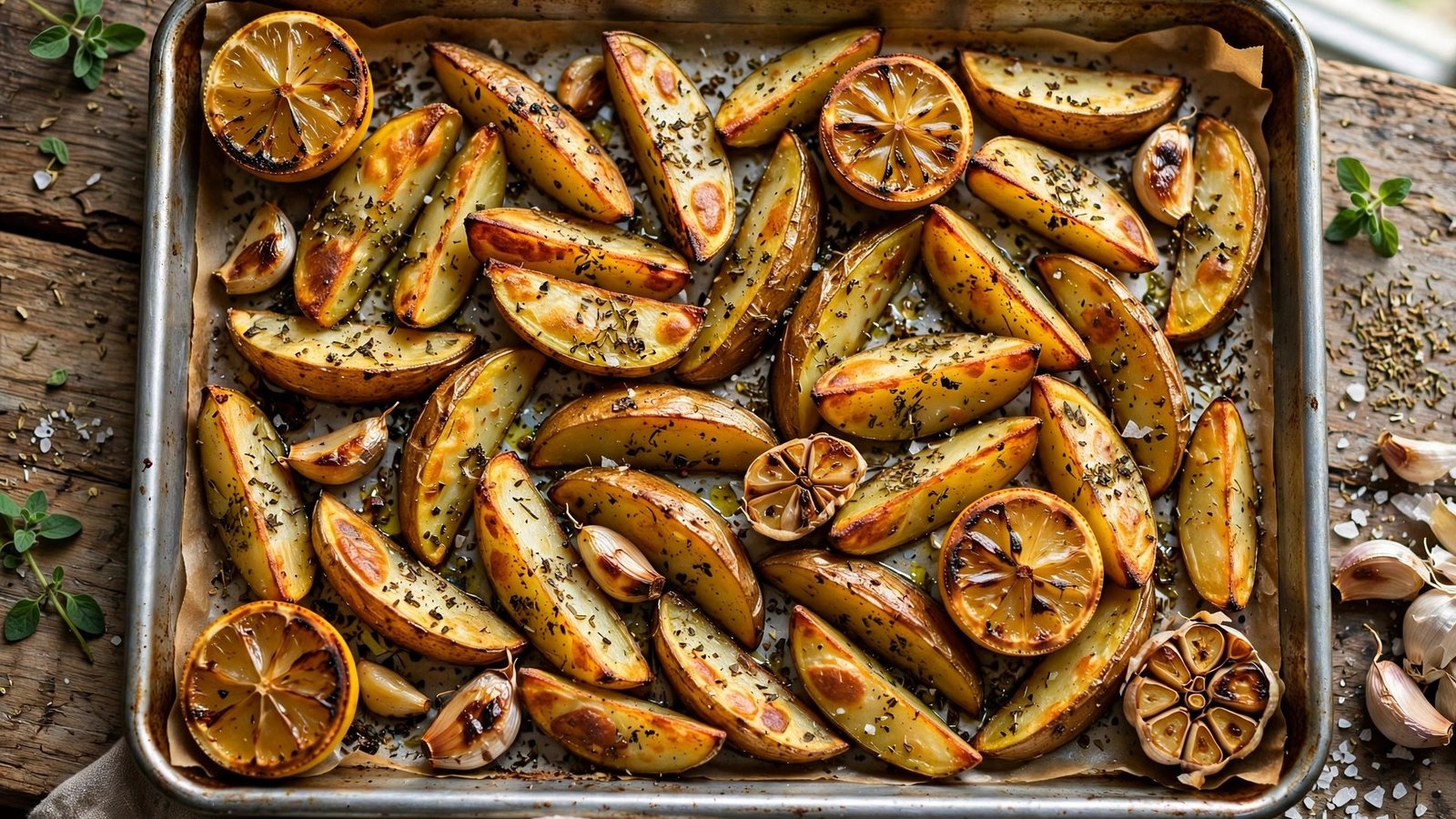
Dried oregano is the quiet backbone of so much good food, and this recipe lets it shine. Toss potato wedges with olive oil, a tablespoon of dried oregano, lemon zest, garlic, and salt, then roast until the edges shatter and the centers go fluffy.
The oregano turns fragrant and almost floral in the oven heat. These taste like a Greek taverna side dish with about four minutes of actual effort. Leftovers reheat beautifully in the air fryer, if they survive the night.
8. Mild Curry Coconut Soup in 20 Minutes
Curry powder intimidates beginners because it is a blend, but a mild one is very forgiving. Simmer a tablespoon of mild curry powder in coconut milk with chicken broth, then add shredded rotisserie chicken, frozen peas, and a squeeze of lime. Twenty minutes, one pot.
Coconut milk rounds off every edge, so the spice tastes warm and aromatic rather than aggressive. Taste as you go and stop when it tastes good to you. That is the whole skill of spicing: taste, adjust, repeat until you smile.
9. Smoked Paprika Deviled Eggs
A pinch of smoked paprika on deviled eggs is the lowest-stakes spice experiment ever invented. Mash yolks with mayo, mustard, and a splash of vinegar, pipe back into the whites, and dust the tops with smoked paprika. They look professionally catered.
Smoked paprika adds a bacony depth with zero heat, and if you hate it, you have only seasoned twelve bites. Bring these to a gathering and accept the compliments. Nobody needs to know the secret ingredient cost you nothing to learn.
10. Basil Tomato Soup That Tastes Like Summer
Dried basil in tomato soup is a gentle introduction to cooking with herbs as spices. Simmer canned tomatoes with onion, garlic, broth, and a teaspoon of dried basil for 20 minutes, then blend with a swirl of cream. The basil adds sweetness you cannot quite name.
Compare a spoonful before and after adding the basil to train your palate. That side-by-side tasting taught me more than any article ever did. Pair with a grilled cheese and call it a perfect lunch.
11. Cinnamon Chili for the Cautious
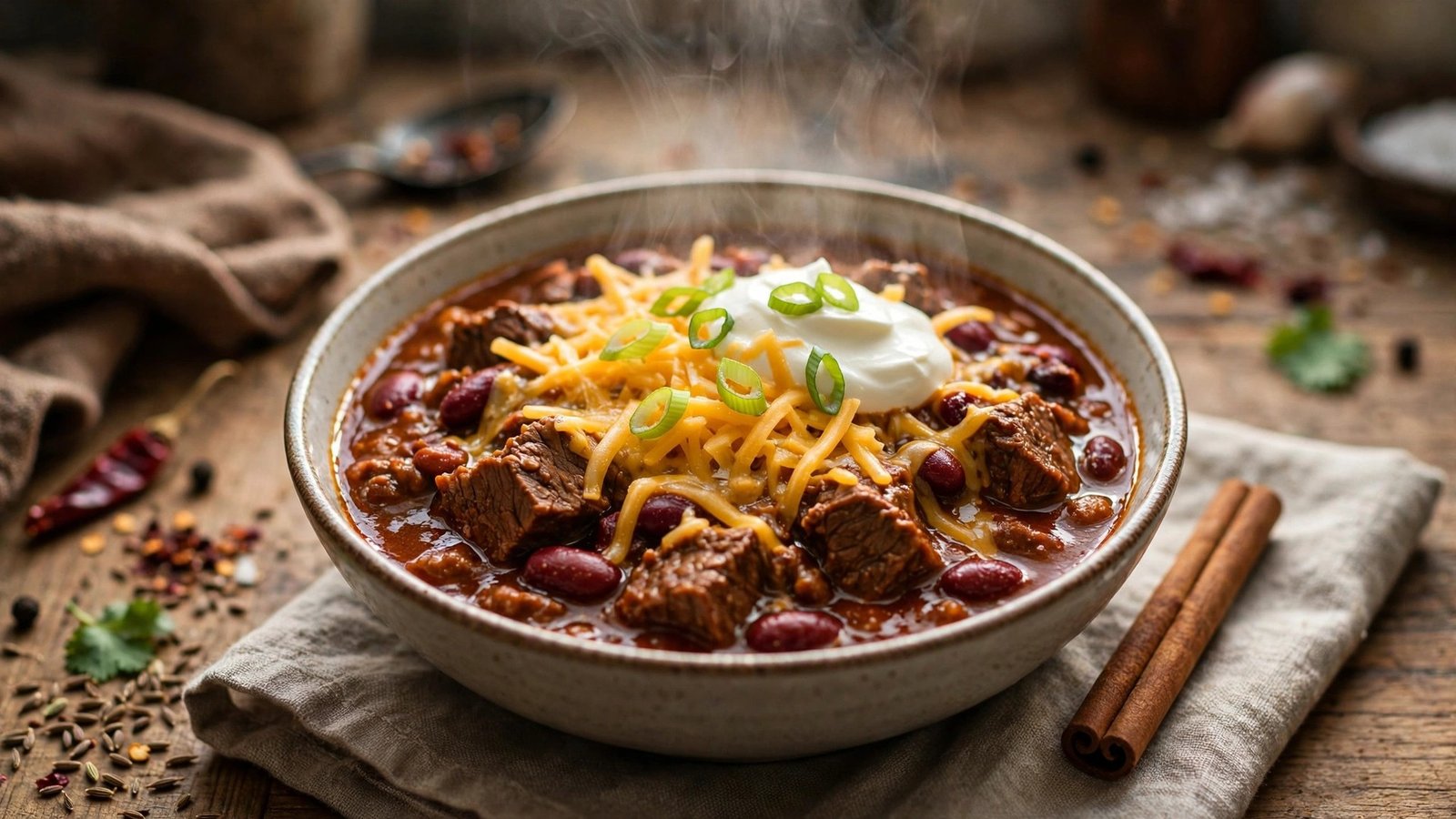
A quarter teaspoon of cinnamon in chili sounds wrong and tastes revelatory. Make your usual pot of ground beef or turkey chili, then stir in cinnamon along with the chili powder and cumin. It deepens everything without announcing itself.
This is the trick Cincinnati chili has known forever. Your guests will say the chili tastes richer without knowing why. It was the recipe that taught me spices are team players, not solo acts, and it changed how I season everything.
12. Vanilla Cardamom Rice Pudding
Cardamom is the fancy spice that is secretly gentle. Simmer rice with milk, sugar, vanilla, and four lightly crushed cardamom pods for 40 minutes, stirring often, then fish out the pods. The result tastes floral, citrusy, and luxurious.
Serve warm with a dusting of cinnamon. This dessert impressed my in-laws so much they asked for the recipe, and it uses exactly one unfamiliar spice. Finish your spice education with dessert, because confidence tastes sweetest.
Your First Five Spices: A Starter Kit
If this list has you eyeing the spice aisle, start with just five jars: cinnamon, cumin, paprika, oregano, and red pepper flakes. Those five cover every recipe above except the turmeric milk and the cardamom pudding, and they cost less than one takeout order. Buy small jars, because ground spices fade after about a year.
Store them away from the stove, since heat and steam dull their flavor fast. A dark cabinet is perfect. And label the lids if the jars look alike, because paprika and cayenne look identical and are very much not interchangeable. Ask me how I learned that lesson.
FAQs
What are the easiest spices for a total beginner to start with?
Start with garlic powder, onion powder, paprika, black pepper, and Italian seasoning. They are forgiving, hard to overdo, and instantly make food taste better. Buy small jars so they stay fresh, and add a little at a time while tasting as you go.
How do I know how much spice to add without ruining dinner?
Begin with a quarter teaspoon per serving and taste before adding more. You can always add, but you cannot take away. Write down what worked so you build your own instincts. Most beginner recipes keep amounts gentle on purpose.
What should I do if I accidentally add too much spice?
Do not panic. Add more of the base ingredients to dilute it, like extra rice, potatoes, or broth. A spoonful of yogurt, sour cream, or coconut milk calms heat fast. A squeeze of lemon or a pinch of sugar can also balance things out.
Do ground spices expire, and does it matter?
Yes, they lose punch after about a year. Old spices will not hurt you, but your food will taste flat. Give jars a sniff: if the aroma is weak, replace them. Whole spices last longer, so consider a small pepper grinder for fresher flavor.
Are pre-mixed spice blends a good shortcut for nervous cooks?
Absolutely. Blends like taco seasoning, Cajun mix, or garam masala take the guesswork out. Check the label for salt content so you do not over-salt. Once you find blends you love, you can start mixing your own with confidence.
Conclusion
Start with the cinnamon oatmeal, work your way down, and notice how each recipe makes the next one less scary. These beginner friendly recipes for people afraid of using spices turned my decorative spice rack into my favorite kitchen tool. Yours is next.